
In the heart of Central America, Nicaragua captivates with its dramatic volcanic landscapes, pristine beaches, and rich colonial history. For many expats, the country’s low cost of living and relaxed pace make it an ideal long-term destination. However, a common entry point is arriving as a tourist and transitioning into “perpetual tourism”—extending stays indefinitely by resetting the 90-day visa through regular border crossings, most often to Costa Rica. This strategy appeals for its low barriers but carries substantial drawbacks that can erode the initial charm over time.
Nicaragua is part of the Central America-4 (CA-4) border control agreement, alongside Guatemala, Honduras, and El Salvador. This allows citizens of many countries, including the United States, Canada, European Union nations, and Australia, an initial 90-day stay upon entry. To extend beyond this, expats typically perform “visa runs,” exiting and re-entering to restart the clock.
Popular expat hubs include Granada, renowned for its vibrant colonial architecture; San Juan del Sur, a coastal paradise for surfing; and Managua, the bustling capital.
 |  |
These areas offer affordable rentals (often $400–800 USD per month for comfortable homes), fresh markets, and thriving expat communities. Yet, the perpetual tourism lifestyle demands careful consideration of its hidden challenges.
The Visa Run Process: Logistics and Fees
The go-to border for most is Peñas Blancas, connecting Nicaragua to Costa Rica along the Pan-American Highway. From San Juan del Sur or Granada, the journey takes 4–8 hours by bus or shuttle.
 |  |
Many opt for the quick “touch and go”: exit Nicaragua, briefly step into Costa Rica, and return the same day. Fees typically include:
- $2–3 USD to exit Nicaragua
- $8–10 USD to exit Costa Rica (when returning)
- $12–14 USD for the Nicaragua tourist entry card
- Minor processing fees ($1–2 each way)
Total official costs per run: around $20–35 USD, paid in small U.S. dollar bills. Transportation adds $10–20 for public buses or $50–100 for private options. Borders can be crowded, hot, and unpredictable, with hours limited to roughly 6 AM–10 PM.
 |  |
Pitfall 1: Time Consumption and Disruption
Every 90 days, a full day (or more) is lost to travel. Delays from long lines, holidays, or weather can extend this. For remote workers or those with routines, this recurring interruption causes significant stress and lost productivity. Overstaying even briefly risks fines starting at $10–30 per day, escalating quickly.
Pitfall 2: Accumulating Costs
While individual runs seem cheap, they add up. Annual expenses for transportation, fees, meals, and occasional overnights can reach $500–2,000 USD, depending on frequency and method.
 | |
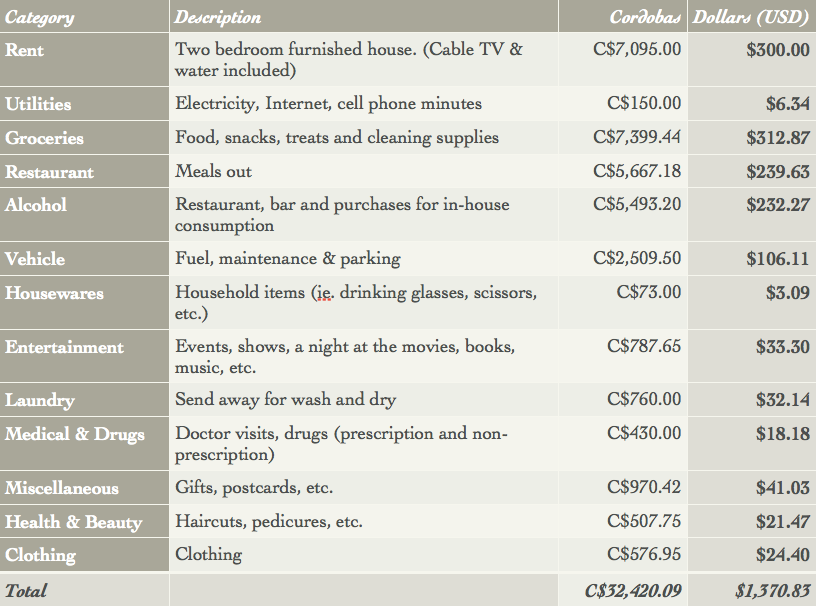
Nicaragua’s overall low cost of living—a couple can manage on $1,500–2,500 monthly—makes these extras feel burdensome over years.
Pitfall 3: Risk of Scrutiny and Entry Denial
Immigration officials generally accept quick re-entries, but after several cycles, questions arise about intent to reside. Requests for proof of funds, onward tickets, or ties abroad become common. Denials are uncommon but possible, especially amid policy shifts. Costa Rica has tightened rules, sometimes warning against perpetual runs or requiring longer stays.
Nicaragua’s political climate adds uncertainty, with travel advisories highlighting risks of arbitrary enforcement.
Pitfall 4: Limited Access to Services and Stability
As a tourist, opening bank accounts, obtaining a local driver’s license (valid only 90 days for foreigners), or signing formal contracts is difficult. Property purchase is allowed, but without residency, complications arise in financing or disputes. Health insurance remains expensive under tourist plans, and legal protections are weaker in emergencies.
Deeper community integration suffers, as perpetual tourists often stay on the periphery.
Real Expat Insights and Alternatives
Many start as perpetual tourists but transition to residency for peace of mind. Options like the pensionado visa (requiring ~$1,000 monthly proven income for retirees) or investment-based paths provide stability, bank access, and potential citizenship routes.
Despite pitfalls, Nicaragua’s natural beauty and affordability keep drawing expats. Volcano boarding near León, lake islands, and warm hospitality remain highlights.
In 2025, perpetual tourism offers short-term flexibility but long-term strain. For sustained living, formal residency often proves the wiser choice, allowing fuller enjoyment of this captivating country without the constant border treadmill.